Product Import and Distribution is the backbone of modern wholesale and retail businesses. Whether you operate an eCommerce store, Amazon FBA business, retail chain, or wholesale distribution company, a well-organized Product Import and Distribution strategy ensures products move efficiently from international suppliers to customers.
With global trade expanding every year, businesses that master Product Import and Distribution can reduce costs, improve inventory management, and create a reliable supply chain that supports long-term growth.
What Is Product Import and Distribution?
Product Import and Distribution is the process of purchasing products from international manufacturers or suppliers, transporting them across borders, clearing customs, storing inventory, and delivering products to wholesalers, retailers, or end customers.
A successful Product Import and Distribution system includes:
- Product Sourcing
- Import Documentation
- Customs Clearance
- International Shipping
- Warehousing
- Inventory Management
- Wholesale Distribution
- Final Delivery
Businesses that optimize Product Import and Distribution gain better operational efficiency and customer satisfaction.
Why Product Import and Distribution Is Important
Access to Global Markets
Product Import and Distribution allows businesses to source products from trusted international manufacturers and expand their product offerings.
Lower Procurement Costs
Bulk imports often reduce purchasing costs and improve profit margins.
Reliable Inventory Supply
A structured Product Import and Distribution process minimizes stock shortages and ensures products remain available throughout the year.
Business Growth
Companies can scale operations faster by importing products from multiple global suppliers.
Competitive Advantage
Businesses with efficient Product Import and Distribution systems can respond quickly to market demand and customer expectations.
The Product Import and Distribution Process
1. Supplier Selection
The first step in Product Import and Distribution is identifying reliable manufacturers and wholesale suppliers.
Important factors include:
- Business reputation
- Product quality
- Manufacturing capacity
- Export experience
- Industry certifications
Choosing verified suppliers reduces business risk and improves consistency.
2. Product Evaluation
Before placing bulk orders, businesses should review:
- Product specifications
- Pricing
- Packaging quality
- Compliance standards
- Minimum Order Quantity (MOQ)
Product samples should always be tested before finalizing large purchases.
3. Import Documentation
Proper documentation is essential for successful Product Import and Distribution.
Common documents include:
- Commercial Invoice
- Packing List
- Bill of Lading
- Certificate of Origin
- Import License (where required)
- Customs Declaration
Accurate paperwork prevents unnecessary delays during customs clearance.
4. International Shipping
Businesses can choose different transportation methods based on cost and delivery speed.
Ocean Freight
Best for large-volume shipments and lower transportation costs.
Air Freight
Ideal for urgent deliveries and high-value products.
Express Courier
Suitable for small shipments and product samples.
Selecting the right shipping method improves the efficiency of Product Import and Distribution.
5. Customs Clearance
Imported products must comply with local regulations before entering the destination country.
Businesses should verify:
- Product labeling requirements
- Safety certifications
- Customs duties
- Import taxes
- Regulatory compliance
Proper planning reduces delays and unexpected costs.
6. Warehousing and Inventory Management
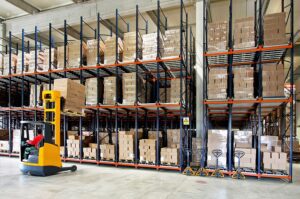
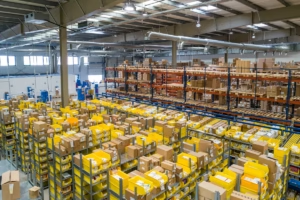
After customs clearance, products are stored in warehouses before distribution.
Benefits include:
- Faster order fulfillment
- Better stock management
- Lower delivery times
- Improved inventory accuracy
Modern warehouse systems help businesses optimize Product Import and Distribution operations.
7. Distribution to Customers
Products are distributed through multiple channels, including:
- Wholesale Distributors
- Retail Stores
- Amazon FBA
- Walmart Marketplace
- Shopify Stores
- B2B Customers
- Direct-to-Consumer Websites
Efficient Product Import and Distribution ensures customers receive products quickly and reliably.
Benefits of Product Import and Distribution
Cost Savings
Bulk importing lowers per-unit costs and improves overall profitability.
Better Product Availability
Reliable distribution systems help maintain consistent inventory levels.
Global Product Access
Businesses can source products from multiple countries and industries.
Scalability
An organized Product Import and Distribution strategy supports business expansion without operational disruptions.
Improved Customer Satisfaction
Faster delivery and consistent product availability build customer trust and loyalty.
Challenges in Product Import and Distribution
Even the best businesses may encounter challenges.
Shipping Delays
Weather conditions, port congestion, and logistics disruptions may affect delivery schedules.
Customs Regulations
Every country has unique import requirements that businesses must follow.
Currency Exchange Risks
International transactions may be impacted by changing exchange rates.
Inventory Management
Poor forecasting can lead to excess inventory or stock shortages.
Supplier Dependability
Working with unreliable suppliers increases operational risks.
Best Practices for Product Import and Distribution
Partner with Verified Suppliers
Always conduct supplier verification before placing bulk orders.
Diversify Supply Sources
Working with multiple suppliers reduces dependency on one region.
Invest in Technology
Inventory and logistics software improve operational visibility.
Monitor Product Quality
Regular inspections help maintain consistent standards.
Plan for Supply Chain Risks
Backup suppliers and contingency plans improve business resilience.
Future Trends in Product Import and Distribution
The future of Product Import and Distribution is driven by digital transformation and automation.
Emerging trends include:
- AI-powered demand forecasting
- Smart warehouse automation
- Real-time shipment tracking
- Sustainable logistics solutions
- Blockchain supply chain transparency
- Cross-border eCommerce growth
Businesses adopting these innovations will improve efficiency and strengthen their global operations.
Conclusion
A well-planned Product Import and Distribution strategy helps businesses reduce costs, improve inventory management, and create a reliable global supply chain. From supplier selection and customs clearance to warehousing and final delivery, every stage contributes to business success.
Companies that invest in efficient Product Import and Distribution systems are better positioned to scale operations, meet customer expectations, and compete in the international marketplace.
Frequently Asked Questions (FAQ)
What is Product Import and Distribution?
Product Import and Distribution is the process of importing products from international suppliers and delivering them to wholesalers, retailers, or customers through an organized supply chain.
Why is Product Import and Distribution important?
Product Import and Distribution helps businesses access global products, reduce procurement costs, maintain inventory, and improve customer satisfaction.
What documents are required for Product Import and Distribution?
Common documents include a Commercial Invoice, Packing List, Bill of Lading, Certificate of Origin, Customs Declaration, and any required import licenses.
How can businesses improve Product Import and Distribution?
Businesses can improve Product Import and Distribution by working with verified suppliers, using inventory management software, diversifying suppliers, and optimizing logistics operations.
What are the biggest challenges in Product Import and Distribution?
Shipping delays, customs regulations, supplier reliability, currency fluctuations, and inventory management are the most common challenges.