A strong Global Product Supply system is essential for businesses that want to compete in today’s international marketplace. Whether you are an Amazon FBA seller, retailer, wholesaler, or distributor, an efficient supply chain ensures that products move smoothly from manufacturers to customers.
As global trade continues to expand, businesses are increasingly relying on Global Product Supply networks to source quality products, reduce operational costs, and maintain inventory availability. Understanding how global supply chains work can help businesses improve profitability and achieve sustainable growth.
What Is Global Product Supply?
Global Product Supply refers to the process of sourcing, manufacturing, transporting, storing, and distributing products across international markets. It involves multiple stakeholders, including manufacturers, suppliers, logistics providers, warehouses, and distributors.
The primary goal of Global Product Supply is to ensure products are available at the right place, at the right time, and at the right cost.
Key Components of Global Product Supply
- Product Sourcing
- Manufacturing
- Quality Control
- Inventory Management
- Warehousing
- Transportation
- Distribution
- Customer Delivery
Each component plays a critical role in maintaining an efficient supply chain.
Why Global Product Supply Matters
Businesses depend on Global Product Supply to remain competitive and meet customer expectations.
Cost Efficiency
Global sourcing allows businesses to purchase products at competitive wholesale prices and improve profit margins.
Inventory Availability
A reliable Global Product Supply chain helps prevent stock shortages and inventory disruptions.
Business Scalability
Companies can expand into new markets without being limited by local suppliers.
Product Diversity
Businesses gain access to a broader range of products from different regions worldwide.
Improved Customer Satisfaction
Efficient supply chains ensure timely deliveries and better customer experiences.
How Global Product Supply Works
1. Product Sourcing
The first step in Global Product Supply is identifying reliable manufacturers and suppliers.
Businesses should evaluate suppliers based on:
- Product quality
- Pricing
- Production capacity
- Certifications
- Shipping capabilities
2. Manufacturing
Manufacturers produce products according to agreed specifications and quality standards.
Production planning is essential to ensure consistent inventory availability.
3. Quality Assurance
Quality control inspections help businesses verify product consistency before shipment.
Common inspections include:
- Product testing
- Packaging inspections
- Compliance verification
- Safety certification checks
4. Logistics and Transportation
Products are transported through:
- Ocean Freight
- Air Freight
- Rail Transportation
- Truck Freight
Choosing the right transportation method can significantly impact delivery times and costs.
5. Warehousing
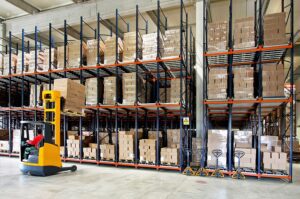
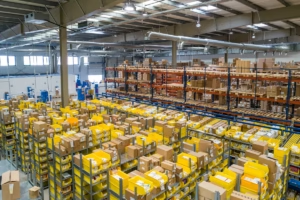
Warehouses serve as inventory storage hubs before products reach distributors or customers.
Benefits include:
- Faster order fulfillment
- Better inventory management
- Reduced shipping delays
6. Distribution
The final stage of Global Product Supply involves delivering products to:
- Retail Stores
- Wholesalers
- Amazon FBA Warehouses
- Walmart Fulfillment Centers
- eCommerce Customers
Benefits of a Strong Global Product Supply Network
Reduced Operational Costs
Efficient sourcing and logistics lower overall business expenses.
Better Supplier Relationships
Long-term partnerships create pricing advantages and supply stability.
Faster Market Expansion
Businesses can enter new markets with confidence when supported by a strong Global Product Supply system.
Increased Profitability
Lower costs and improved inventory management contribute to higher profit margins.
Supply Chain Flexibility
Businesses can quickly adapt to changing market demands and customer preferences.
Challenges in Global Product Supply
Despite its advantages, Global Product Supply can present challenges.
Supply Chain Disruptions
Natural disasters, geopolitical events, and transportation delays can impact product availability.
Rising Shipping Costs
Global freight rates may fluctuate based on market conditions.
Customs Regulations
Import and export requirements vary by country and can affect delivery timelines.
Inventory Forecasting
Poor demand forecasting can lead to overstocking or stock shortages.
Supplier Reliability
Working with unverified suppliers increases business risk.
Best Practices for Managing Global Product Supply
Diversify Suppliers
Avoid dependence on a single supplier or region.
Use Technology
Supply chain management software improves visibility and inventory tracking.
Monitor Inventory Levels
Regular inventory analysis helps maintain optimal stock levels.
Build Strategic Partnerships
Strong supplier relationships improve pricing and reliability.
Focus on Risk Management
Develop contingency plans to minimize disruptions.
The Future of Global Product Supply
The future of Global Product Supply is being shaped by innovation and technology.
Emerging trends include:
- Artificial Intelligence (AI) forecasting
- Real-time shipment tracking
- Automated inventory management
- Sustainable sourcing practices
- Digital supply chain platforms
- Smart warehouse technologies
Businesses adopting these innovations will gain a competitive advantage in the global marketplace.
Conclusion
A well-managed Global Product Supply strategy is the foundation of successful wholesale and distribution operations. By optimizing sourcing, logistics, warehousing, and distribution, businesses can improve efficiency, reduce costs, and enhance customer satisfaction.
As international trade continues to grow, companies that invest in strong Global Product Supply systems will be better positioned for long-term success and sustainable growth.
FAQ – Global Product Supply
What is Global Product Supply?
Global Product Supply is the process of sourcing, manufacturing, transporting, storing, and distributing products across international markets.
Why is Global Product Supply important?
Global Product Supply helps businesses reduce costs, improve inventory management, and ensure consistent product availability.
How can businesses improve Global Product Supply efficiency?
Businesses can improve Global Product Supply by using technology, diversifying suppliers, optimizing logistics, and monitoring inventory levels.
What are the biggest challenges in Global Product Supply?
Common challenges include shipping delays, customs regulations, inventory forecasting, rising freight costs, and supplier reliability.
How does Global Product Supply support eCommerce businesses?
Global Product Supply enables eCommerce businesses to maintain inventory, fulfill orders efficiently, and scale operations globally.